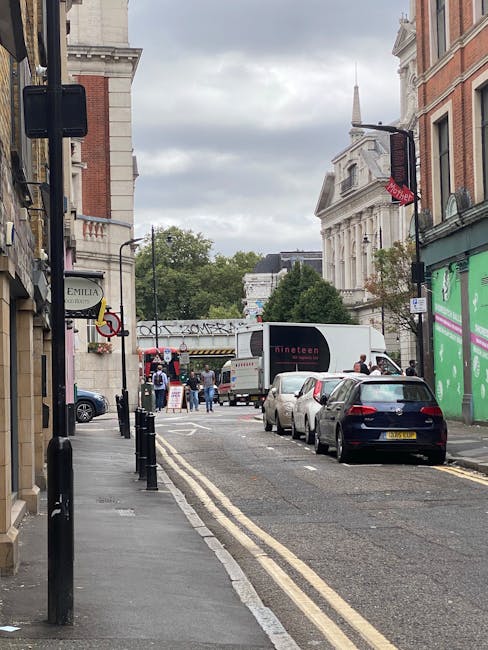
Council permit rules for moving vans on Lambeth high streets
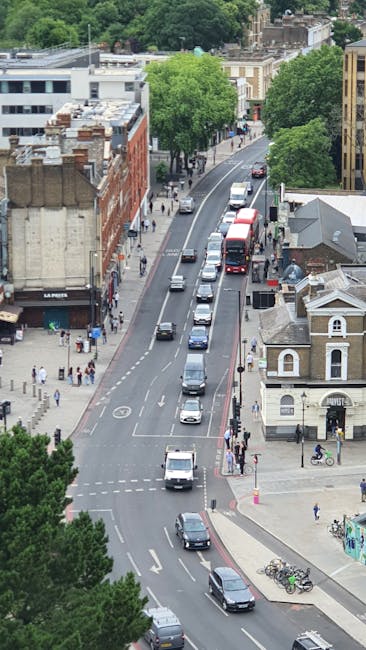
If you are planning a move in Lambeth, the small details can make the biggest difference. A van parked on a busy high street without the right permission can turn a simple removal into a stressful, expensive delay. That is why understanding Council permit rules for moving vans on Lambeth high streets matters before the first box leaves the flat.
In practice, the rules affect where a moving van can stop, how long it can stay, whether loading bay access is needed, and when extra arrangements may be required. Get it right and the day feels orderly. Get it wrong and you may be juggling traffic, neighbours, enforcement, and a crew standing around while the clock ticks. Not ideal, to be fair.
This guide explains the logic behind Lambeth parking and permit requirements, how moving vans are usually managed on busy streets, the mistakes people make, and the best way to prepare. You will also find a practical checklist, a comparison table, and answers to the questions people actually ask when they are staring at a packed hallway and wondering, "Can the van even stop here?"
Why Council permit rules for moving vans on Lambeth high streets Matters
High streets in Lambeth are rarely forgiving. They tend to be busy, narrow, and full of competing demands: buses, taxis, deliveries, shoppers, residents, cyclists, and traders all trying to use the same stretch of road. A moving van is not just another car. It needs space, time, and a safe place to load or unload without causing a blockage.
That is the core reason council rules exist. They help manage road safety, traffic flow, pedestrian access, and fair use of parking space. If you are moving from a flat above a shop, a terrace near a parade, or a commercial unit with no off-street access, the risk of getting caught out is much higher than people expect.
One of the easiest ways to underestimate the issue is to assume a quick stop will be fine. Sometimes it is. Sometimes it absolutely is not. On a quiet side road, a van may be able to load briefly without much fuss. On a Lambeth high street, the same move can require careful planning, especially where waiting restrictions, loading limits, bus lanes, or controlled parking zones come into play.
There is also the practical side. The more time a van spends searching for a legal place to stop, the more likely your move runs late. And once a move slips behind schedule, everything starts to feel harder: elevator bookings, key handovers, parking tickets, neighbour complaints, the lot. Small delay, big ripple.
For businesses, the pressure is even greater. Shop refits, office moves, stock deliveries, and furniture removals all have to be coordinated around customers and opening hours. If your move involves a commercial move or an office removal, permit planning is not a side note. It is part of the move plan itself.
How Council permit rules for moving vans on Lambeth high streets Works
Although the exact arrangements can vary by street and by circumstance, the general idea is simple: if a moving van needs to stop where parking or loading is regulated, you may need permission, compliance with local restrictions, or both. The council's parking framework is designed to distinguish between ordinary parking, loading activity, and prohibited stopping.
In real life, this usually comes down to a few questions. Is there a legal loading bay nearby? Is the street subject to waiting restrictions at that time? Is the van too large for the space available? Are you moving during peak traffic hours? Is there an event, roadworks, or access issue that changes the picture on the day?
For many Lambeth high streets, the answer is not just "yes or no". It is often "yes, but only under these conditions" or "yes, if you arrange it in advance." That is why people often contact a removal company early, before the van is booked, rather than after. A capable mover will think about access first and boxes second. Sensible, really.
Here is the practical version of how it usually works:
- You identify the exact collection and delivery points.
- You check whether the van can legally stop close enough to the property.
- You review time restrictions, loading bay rules, and any local parking controls.
- You decide whether a permit, exemption, or special parking arrangement is needed.
- You build the move schedule around the access window, not the other way around.
If your property has awkward access, stairs, or limited lift space, a smaller vehicle may be more practical. A removal van can often be easier to position than a larger truck, while still handling a normal house move or flat move efficiently. For heavier or bulkier jobs, a moving truck may still be the better fit, but it usually demands more careful parking planning.
It is also worth saying that permit language can confuse people. Some use "permit" to mean a formal parking authorisation. Others mean a short-term loading allowance or a temporary suspension of restrictions. Those are not always the same thing. If you are unsure, that is normal. The trick is to separate the idea of parking legally from the idea of loading safely.
Key Benefits and Practical Advantages
Planning ahead for council permit rules may feel like admin, but it pays off in very concrete ways. The first benefit is obvious: fewer delays. When the van has a legitimate place to stop, the crew can work, your belongings move, and the whole job feels calmer.
There is also less risk. A legal stopping point reduces the chance of tickets, disputes with enforcement, or awkward conversations with residents who are already fed up with blocked pavements and narrow roads. Nobody wants a move-day argument at 8:15 in the morning while rain is hanging in the air and everyone is carrying a wardrobe.
Other practical advantages include:
- Better time control: the crew can plan load-in and load-out with more confidence.
- Safer handling: carrying items a shorter distance lowers the risk of damage and trips.
- Less stress: you are not guessing where the van will go when it arrives.
- Cleaner communication: everyone involved understands the access plan.
- More predictable costs: fewer delays can mean a less chaotic moving day overall.
For people using man and van services or a fuller removal service, the access plan can shape the whole quote. A move that looks simple on paper may become more labour-intensive if the van has to park far from the entrance. That does not make it a bad move. It just means the logistics are different.
And there is a quieter benefit people often forget: good planning preserves goodwill. If you are moving from a shared building, a busy street, or a block with strict neighbours, showing that you have thought about access makes a better impression. That matters more than most of us like to admit.
Who This Is For and When It Makes Sense
These rules are not only for large removals. In fact, they are often most relevant to people doing smaller moves in difficult streets. If you are moving from a first-floor flat on a commercial parade, changing offices, or arranging a same-day collection, you are exactly the kind of mover who should think about parking and access early.
You will especially want to pay attention if you are:
- moving in or out of a flat above shops
- living on a Lambeth high street with little off-street parking
- moving during daytime hours when traffic is heavier
- using a medium or large van that needs more stopping space
- handling fragile items, furniture, or appliances that require close parking
- planning an office, shop, or business relocation
- arranging a student move where timing is tight and parking is limited
If that sounds like you, then permit rules are not a paperwork detail. They are part of the move strategy. A short move can still be complicated if the van cannot legally stop nearby. A long move can still be smooth if the parking is sorted in advance. Funny how that works.
People booking flat removals, student removals, or even same day removals often benefit the most from early access planning because their time windows are tighter and the loading environment is often less forgiving.
Step-by-Step Guidance
If you want to handle this properly, keep it methodical. Here is a sensible process that works well for most Lambeth high street moves.
- Confirm the exact addresses. It sounds basic, but a nearby side street can have very different rules from the high street itself.
- Identify the stopping point. Decide where the van is most likely to load or unload, not just where you wish it could stop.
- Check street restrictions. Look at loading bays, yellow lines, time-limited bays, and any access-only or bus lane issues.
- Ask whether a permit is needed. Some situations need formal permission; others need a different parking strategy. Do not assume.
- Match the vehicle to the access. A smaller van may be easier on a busy high street, while a bigger vehicle may need more room and more time.
- Build in a buffer. Leave breathing room for traffic, lift delays, or a difficult unloading route.
- Prepare the property. Clear hallways, label items, and make sure the loading route is not blocked by bags, bikes, or mystery furniture nobody remembers ordering.
- Confirm the plan the day before. A quick final check can save you from last-minute surprises.
If you are using packing support, it can help to coordinate with packing and boxes or packing and unpacking services so the team is not waiting on loose ends while the van sits in the wrong place. Small efficiencies add up fast.
One practical tip: take a photo of the intended parking position and the surrounding signage before moving day. It is not about being obsessive. It is about giving yourself a clear reference when the street suddenly looks different with a van, neighbours, and people asking questions.
Expert Tips for Better Results
In our experience, the best moves are the ones where access has been treated like part of the job, not a separate afterthought. That starts with choosing the right vehicle size. A vehicle that is too large can make parking harder and loading slower. A vehicle that is too small can mean more trips and more labour. It is a balancing act.
Here are a few field-tested habits that help:
- Schedule early where possible. Morning slots often work best on busy high streets because traffic and parking pressure are sometimes lower.
- Keep the loading route short. Every extra metre matters when you are carrying beds, drawers, or boxed crockery.
- Use one person to manage the street view. Someone should watch for pedestrians, cyclists, and approaching vehicles while others move items.
- Pack with access in mind. Put the things you will need first near the door, not buried under seasonal clutter.
- Ask about storage if the timing is messy. If there is a gap between properties, storage can make the whole process less frantic.
There is also a common-sense point people skip: if your move involves older furniture, large mirrors, or a piano, the loading area may need more time and more care than a standard box-only move. Services such as furniture removals and piano removals require the same parking logic, just with more attention to handling and protection.
And yes, a little humility helps. If the street looks tighter than expected, say so early. It is much better to adjust the plan before arrival than to discover, with the engine idling and the kerb getting busier by the minute, that the original idea was never going to work.
Common Mistakes to Avoid
The most common mistake is assuming the van can simply stop "for a minute." A minute is exactly how long it takes for enforcement, a resident, or a delivery lorry to complicate the day. Another frequent error is checking the street generally but not the exact curb space outside the building.
Other mistakes worth avoiding:
- Leaving permits too late. Last-minute arrangements can force poor parking choices.
- Ignoring loading bay time limits. A bay may exist but still not suit your schedule.
- Using the wrong vehicle size. Bigger is not always better on a tight high street.
- Forgetting lift or access constraints. A legal parking spot means little if the route inside is blocked.
- Not telling the mover about access issues. The crew cannot plan around what they do not know.
- Assuming one street is like the next. In Lambeth, restrictions can change quickly from one block to another.
Another subtle mistake is failing to check whether the move timing clashes with school runs, market activity, waste collections, or peak shopping periods. On a lively high street, the street itself changes character through the day. What looks manageable at 9 a.m. may be far more difficult by lunchtime.
That is where a decent mover earns their keep. A good crew does not just lift heavy things. It reads the street. Quite literally.
Tools, Resources and Recommendations
You do not need a complicated toolkit, but you do need the right information and a few basic preparations. At the very least, make sure you have:
- the full collection and delivery addresses
- the preferred move window
- details of any stairs, lifts, or access codes
- photos of the road, pavement, and entrance if the street is tight
- a plan for keys, parking, and building access
- a contact number for the person overseeing the move
If you are comparing removal support, it can help to look at service scope rather than just headline price. For example, man with a van may suit lighter, quicker moves, while removals may be better when you want a fuller service with more hands on site.
If the move is business-related, commercial moves and office relocation services are especially useful to review because they often need more precise timing, access planning, and coordination with building management.
It is also wise to read a company's policies before booking. Pages such as insurance and safety, health and safety policy, terms and conditions, and pricing and quotes can give you a better sense of how they handle risk, process, and customer expectations. That matters when the street is tight and the margin for error is thin.
Law, Compliance, Standards, or Best Practice
When people talk about permit rules, they often mix together law, local parking controls, and moving-industry practice. It helps to separate them.
Legally, drivers and operators must comply with the road restrictions that apply to the street at that time. That may include waiting restrictions, loading rules, kerb access controls, and any temporary suspension or traffic management measures. If the van stops where it should not, the risk is not just inconvenience. It can include penalties, disruption, and complaints.
Operationally, good practice means checking the access situation in advance, picking the right size vehicle, and allowing enough time for loading. In a busy borough like Lambeth, those habits are not optional if you want a smooth day. They are the difference between an organised move and a scramble.
From a safety point of view, crews should avoid blocking pavements, forcing pedestrians into the carriageway, or carrying heavy items through unsafe gaps. This is especially important around schools, crossings, and dense retail streets. A short, safe carry is usually better than a risky, awkward park.
Best practice also means being honest about what is possible. If a high street space is too restricted, a nearby side road, timed arrival, or smaller vehicle may be the safer solution. It sounds simple. Sometimes it is not. But that honesty saves everyone time.
Options, Methods, or Comparison Table
Different moves call for different approaches. Here is a simple comparison to help you decide what is most sensible.
| Approach | Best for | Strengths | Potential downside |
|---|---|---|---|
| Small van with close loading | Light moves, flats, limited street space | Easier to place, quicker on busy high streets | May need more trips if volume is underestimated |
| Medium or large moving vehicle | Full household moves, bulky furniture | Better for high-volume removals | Harder to park; more sensitive to restrictions |
| Planned permit or loading arrangement | Restricted Lambeth high streets | Reduces uncertainty and legal risk | Needs preparation and timing |
| Off-street loading where available | Properties with driveways, courtyards, service areas | Usually the easiest option | Not common on many high streets |
| Temporary storage plus staged move | Overlapping dates or difficult access | Reduces pressure on move day | Extra handling and extra planning |
There is no single "best" method for every Lambeth move. The right option depends on vehicle size, street layout, property type, and how much time you have. That is the honest answer, even if it is not the neatest one.
Case Study or Real-World Example
Picture a standard move from a top-floor flat on a busy Lambeth high street. The property has stairs, no lift, and only short-term curb access nearby. The customer assumes the van can stop directly outside for twenty minutes, but the street also has active loading demand from nearby shops.
What happens next depends on the planning. In a rushed version of the day, the crew arrives and has to circle the block, the resident gets nervous, and boxes begin to pile up in the hallway. One item at a time, the whole thing starts to wobble.
In the better version, the mover checks the access details beforehand, chooses a van size that fits the street, sets an early arrival window, and confirms a legal stopping position in advance. The team loads in stages, keeps the route clear, and avoids dragging furniture too far. The move still takes effort - moves always do - but it feels controlled rather than frantic.
That is the real lesson. Permit and parking rules are not abstract bureaucracy. They are part of the difference between a move that feels manageable and one that leaves everyone exhausted before lunch.
If the job is bigger than a simple flat move, support such as house removals or help from house removalists can be valuable because experienced crews tend to spot these access problems before they become problems.
Practical Checklist
Use this checklist before move day. It keeps things grounded and stops little details from snowballing.
- Confirm the exact moving date and time window
- Check whether the van can legally stop near the property
- Review loading restrictions on the relevant high street
- Ask whether a permit, exemption, or booking is required
- Tell the mover about narrow roads, low bridges, or access barriers
- Choose a vehicle size that suits the street, not just the volume
- Prepare building access, keys, and contact numbers
- Pack and label boxes so loading is faster
- Plan for weather, traffic, and small timing delays
- Have a backup option if the first parking plan fails
Quick practical rule: if the move depends on "someone will probably be able to park there," it is not a plan yet.
Get a free quote today and see how much you can save.
Conclusion
Council permit rules for moving vans on Lambeth high streets are not something to leave until the morning of the move. They shape where the van can stop, how quickly the crew can work, and how calm the whole day feels. On a busy Lambeth street, a good parking plan is as important as boxes, tape, and muscle.
The best approach is simple: check access early, match the vehicle to the street, leave some breathing room, and use experienced support where needed. Whether you are moving a flat, a family home, a business, or a single heavy item, the same principle applies. Good logistics make good moves.
And honestly, once the last box is in and the van pulls away, you will be glad you handled the boring bit properly. That boring bit is often the bit that saves the day.
Frequently Asked Questions
Do I always need a permit for a moving van on a Lambeth high street?
Not always. It depends on the street, the time of day, the exact stopping point, and whether loading is allowed under the local restrictions. Some moves can be done legally without a permit; others need formal permission or a different parking approach. The safest route is to check the access situation before the van is booked.
What is the difference between a parking permit and a loading arrangement?
A parking permit normally relates to lawful parking in a controlled space. A loading arrangement is about stopping briefly to load or unload under the relevant rules. They are not the same thing, and confusing them can create problems. If in doubt, treat loading and parking as separate questions.
Can a moving van stop on yellow lines in Lambeth?
Sometimes loading may be allowed in certain circumstances, but you should never assume that yellow lines mean a free pass. Restrictions can vary by time, location, and road markings. Always check the specific rules for the street and the time window you plan to use.
How far in advance should I sort the parking side of the move?
As early as possible. A few days can be enough for a simple move, but tight streets and busy periods often need more breathing room. The earlier you plan, the more likely you are to secure a sensible stopping point and avoid last-minute stress.
What if my flat is on a busy high street with no nearby parking?
That is very common in Lambeth, and it is exactly when planning matters most. A smaller vehicle, a timed arrival, nearby legal loading space, or temporary storage may all be worth considering. The goal is not perfection. It is making the access workable.
Does a bigger van make the move faster?
Sometimes, but not always. A bigger van can reduce the number of trips, which is useful for larger moves. On a restricted high street, though, it may be harder to park and load. In those cases, a slightly smaller vehicle can actually be more efficient overall.
What happens if the van cannot stop outside the property?
The crew may need to park farther away and carry items a longer distance, which can slow the move and increase effort. In some cases, the plan needs to change on the spot. That is why it helps to think through backup options before move day. Nobody wants to improvise with a sofa halfway down the pavement.
Are same-day moves more likely to have permit problems?
Yes, they can be. Same-day removals leave less time for parking checks, so the move depends heavily on immediate access being workable. If you are booking a same day removal, it is especially important to share the street details early and be realistic about access.
Should I choose a man and van service or a full removals team?
It depends on the volume, the access, and how much help you want on the day. A man and van setup can be ideal for smaller moves or tighter parking, while a fuller removals team may be better for heavier loads, more furniture, or complex access. The van is only part of the decision.
What should I tell the mover before they arrive?
Give them the exact address, the likely parking spot, any restrictions you already know about, building access details, and whether the move is from a flat, office, or house. The more honest the brief, the smoother the day. A five-minute conversation beforehand can save an hour later.
Can storage help if the parking or timing is awkward?
Yes. If the move-out and move-in dates do not line up neatly, or if access on the high street is especially awkward, storage can reduce pressure and allow the move to be broken into more manageable stages. It is not always necessary, but it can be very useful.
Where can I find more information about your moving services and policies?
You can explore relevant pages such as removal services, home moves, insurance and safety, and contact us to learn more about how the service works and what to expect. It is always worth checking the details before you book.
Is it worth checking council rules even for a small move?
Yes, absolutely. Small moves often happen from busy flats or high street properties where parking is tight. A short move can still be disrupted by restrictions, so it makes sense to check the rules no matter the size of the job.
What is the single biggest mistake people make with moving vans on Lambeth high streets?
Assuming access will sort itself out. It rarely does. The smartest moves are the ones where parking, timing, and vehicle choice are decided before the first box is lifted. That one habit avoids a surprising amount of chaos.